Food safety failures are rarely small. A single contamination event—especially involving Salmonella—can shut down production lines, trigger recalls, and erode brand trust built over decades. In Australia’s tightly regulated food ecosystem, the pressure is clear: detect risks early, act fast, and maintain full compliance—making reliable solutions from Vendart essential for proactive food safety management.
Yet, traditional pathogen testing methods often rely on external laboratories, trained microbiologists, and multi-step workflows. For many food businesses, especially mid-sized processors, this creates delays, added costs, and operational friction.
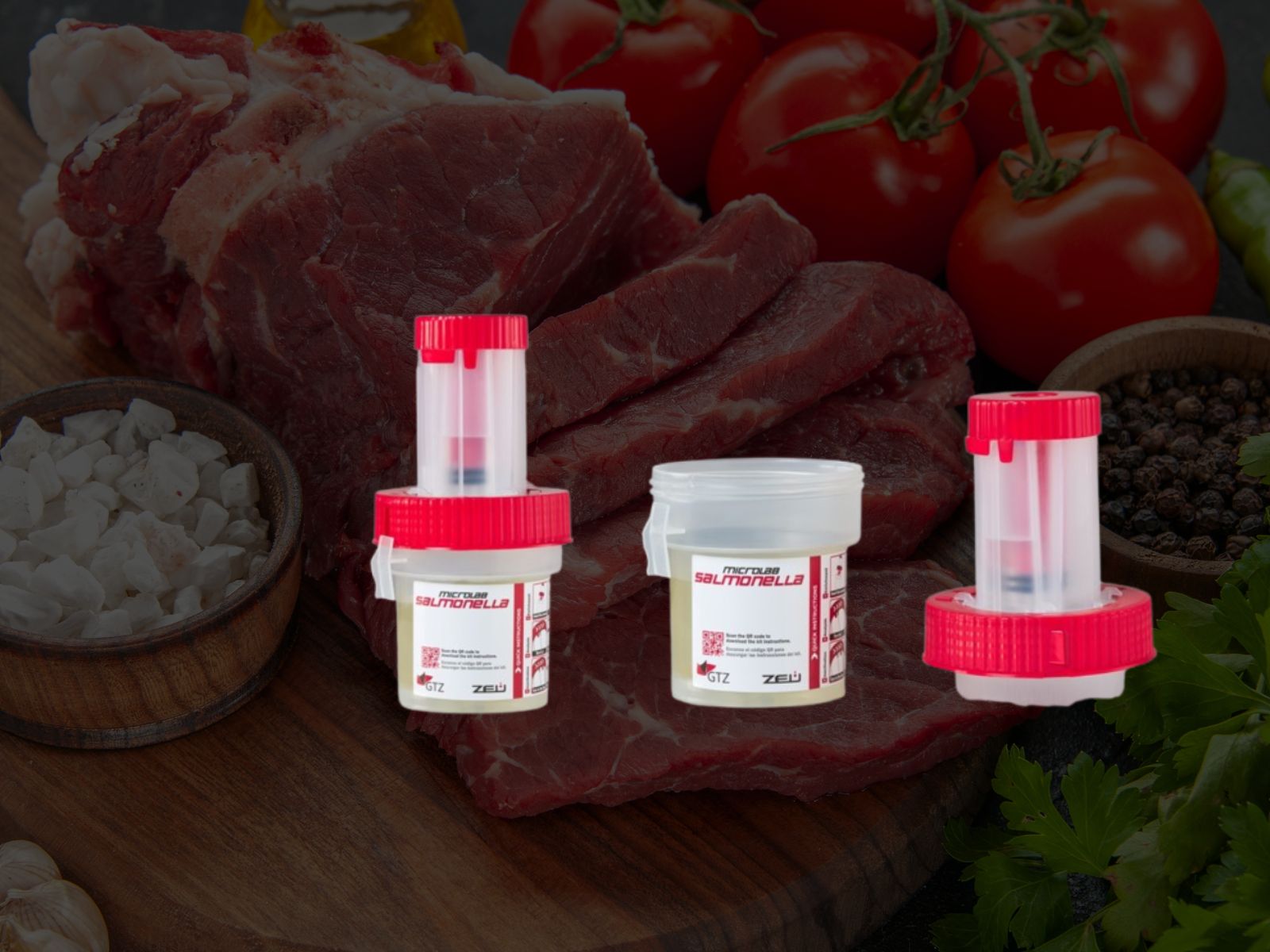
That’s where a new category of in-house testing solutions is gaining traction. MicroLab Salmonella from Vendart is designed to simplify pathogen detection—bringing lab-grade screening into everyday production environments without compromising safety or accuracy.
Why Salmonella Testing Is Non-Negotiable
Salmonella remains one of the leading causes of foodborne illness globally. According to global food safety data:
- It is responsible for millions of infections annually, particularly linked to meat, dairy, eggs, and ready-to-eat products
- Even low-level contamination can spread quickly across batches
- Regulatory frameworks in Australia enforce strict “absence in 25g” standards for many food categories
For producers, this means one thing: zero tolerance.
The Challenge with Conventional Testing
Despite its importance, Salmonella testing comes with real-world constraints:
- Dependence on external labs → results can take days
- Need for trained personnel → increases operational cost
- Multi-step processes → higher risk of handling errors
- Cross-contamination risks → especially during sample preparation
- Limited flexibility → not ideal for on-site or rapid decision-making
For fast-moving industries like meat processing or dairy, delays in detection can translate directly into financial losses.
MicroLab Salmonella: Designed for Simplicity and Safety
MicroLab rethinks how pathogen testing is done. Instead of multiple steps across different tools, it integrates the entire process into a single disposable device.
From sample incubation to detection and final inactivation, everything happens within one sealed system—reducing handling, risk, and complexity.
What makes it different?
- No laboratory required
- No specialised staff needed
- No exposure to live pathogens
- Minimal training and setup
This makes it highly relevant for food businesses aiming to internalise quality control without building full microbiology labs.
How the Technology Works
MicroLab uses an immunochemical lateral flow technique (LFIA)—a widely trusted method in rapid diagnostics.
Here’s what happens inside the device:
- Sample Incubation – The food or surface sample is enriched in a culture medium
- Detection Phase – The system identifies Salmonella serogroups A–E using immunochromatography
- Result Interpretation – A visual readout indicates presence or absence
- Inactivation – The sample and medium are neutralised safely within the device
This closed-loop design ensures 100% containment, significantly reducing contamination risks.
Performance That Meets Industry Standards
MicroLab is built to align with regulatory and operational expectations:
- Detection Scope: Salmonella serogroups A–E
- Sensitivity: Absence in 25g (food) or 100 cm² (surface)
- Assay Time: ~24 hours at 37°C
- Output: Clear visual result
While the turnaround time aligns with standard microbiological enrichment protocols, the key advantage lies in process simplification and safety, not just speed.
Where MicroLab Fits in the Food Industry
MicroLab is versatile across multiple food sectors:
Meat Industry
High-risk category for Salmonella contamination. Enables routine batch testing and environmental monitoring.
Dairy Industry
Supports hygiene validation across milk handling and processing environments.
Egg Products
Critical for detecting contamination in raw and processed egg-based goods.
Smoked & Ready-to-Eat Products
Helps verify safety in products that may not undergo further cooking.
It also supports surface testing, making it valuable for sanitation verification in production facilities.
Key Business Benefits
1. In-House Testing Without Infrastructure Investment
No need to build or outsource to microbiology labs—reducing long-term costs.
2. Lower Contamination Risk
The sealed, disposable design prevents exposure to pathogens during testing.
3. Faster Operational Decisions
Even with a 24-hour assay cycle, on-site testing eliminates external lab delays.
4. Reduced Training Requirements
Simplified workflow allows non-specialist staff to perform tests reliably.
5. Minimised Product Loss
Early detection prevents contaminated batches from moving further down the supply chain.
Traditional vs MicroLab Approach
| Factor |
Traditional Testing |
MicroLab |
| Setup |
Lab required |
No lab needed |
| Workflow |
Multi-step |
Single device |
| Safety |
Open handling |
Fully contained |
| Skill Level |
High |
Low |
| Turnaround |
2–5 days (incl. logistics) |
~24 hours on-site |
| Contamination Risk |
Moderate |
Minimal |
A Shift Toward Decentralised Food Safety
The food industry is moving toward decentralised, real-time quality control—where testing happens closer to the source, not miles away in a lab.
MicroLab fits this shift perfectly. It enables producers to:
- Take control of their testing processes
- Reduce dependency on third-party labs
- Strengthen compliance with food safety standards
- Build a proactive—not reactive—quality culture
Final Thoughts
In food safety, simplicity often determines consistency. The easier it is to test, the more frequently it gets done—and the lower the risk of oversight.
MicroLab Salmonella from Vendart delivers exactly that: a streamlined, safe, and reliable way to detect one of the industry’s most critical pathogens. By combining proven immunoassay technology with a fully integrated device, it removes traditional barriers to in-house testing.
For Australian food producers looking to strengthen their safety protocols without adding complexity, MicroLab offers a clear, practical path forward—where accuracy, safety, and efficiency work together, not in trade-off.
For Further Enquiry Contact: sales@vendart.com.au