Milk is one of the most important allergens that food manufacturers need to control. For facilities producing both milk-containing and milk-free products on shared equipment, even small amounts of residual milk can create a cross-contact concern.
Visual inspection alone cannot reliably confirm that a production line is free from milk residues after cleaning. This is where rapid allergen screening can provide valuable additional information.
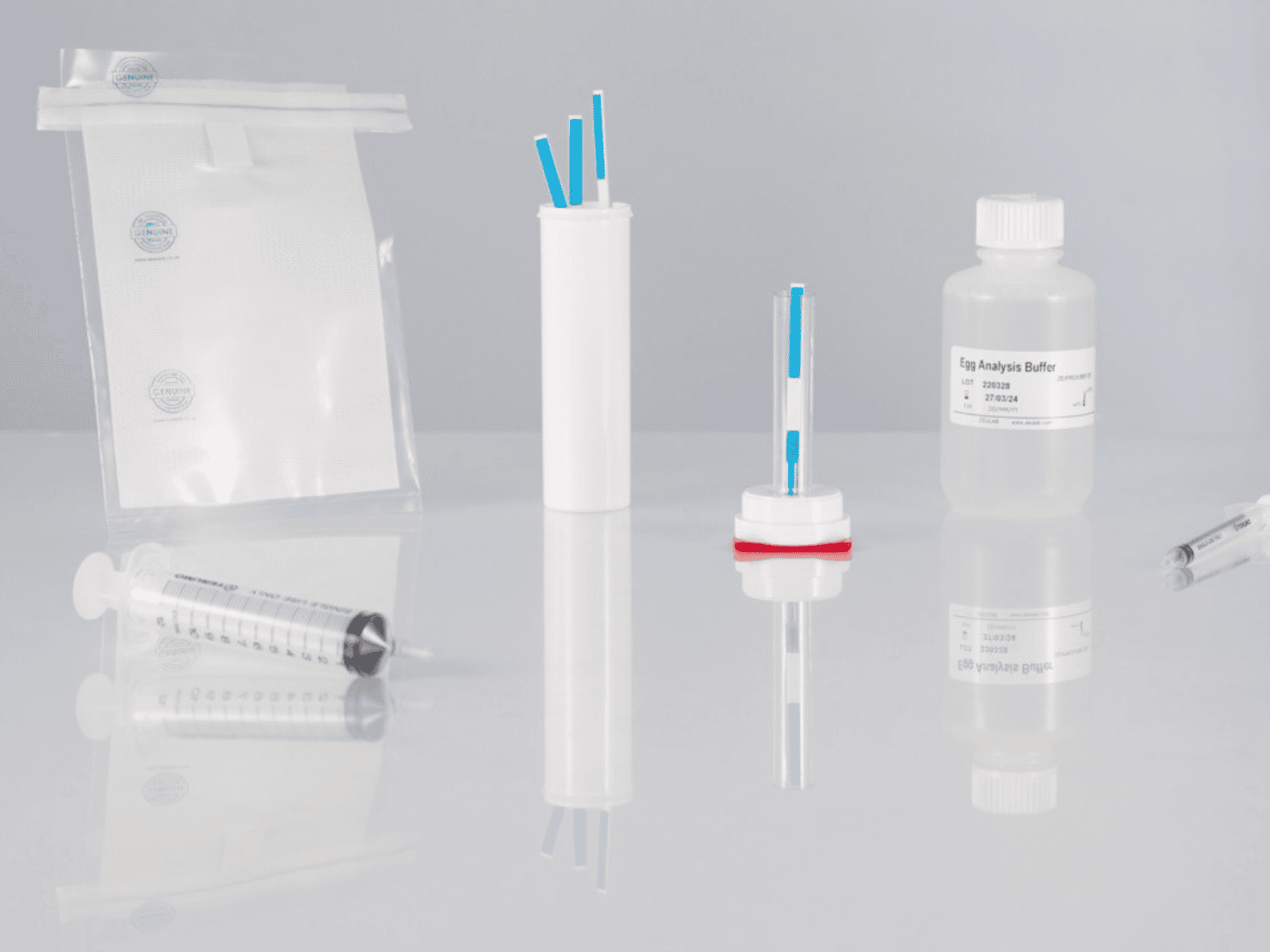
For manufacturers looking for a practical milk allergen test kit in Australia, the Proteon Duo Milk Express from Vendart offers a fast and equipment-free approach. The test can detect two important milk proteins—casein and β-lactoglobulin—in separate lines on the same test strip, with results available in approximately 10 minutes.
Why Is Milk Allergen Testing Important?
Milk residues can remain on processing equipment, utensils, conveyors and other production surfaces after manufacturing. The risk can be particularly relevant in facilities that manufacture products both with and without milk or milk-derived ingredients.
Powdered milk can present additional cleaning challenges. Fine particles and residues may remain in areas of production equipment and potentially contribute to contamination after cleaning.
Regular allergen verification can help manufacturers:
- Verify cleaning between production runs
- Identify insufficient cleaning
- Monitor critical contamination points
- Check shared production lines
- Investigate potential supplier-related contamination
- Support allergen-control programs
- Make faster product-release decisions
What Is Proteon Duo Milk Express?
Proteon Duo Milk Express is a rapid milk allergen test kit designed to detect milk proteins without requiring dedicated analytical equipment.
Its key feature is the simultaneous detection of casein and β-lactoglobulin using two different lines on the same strip.
This dual detection can be particularly useful when the origin of milk contamination is uncertain. Milk and milk derivatives can contain different protein components, so detecting both markers provides useful screening information for allergen-control activities.
Key advantages
10-minute assay: Results can be obtained rapidly, supporting timely production decisions.
No dedicated equipment: The test uses a convenient strip format rather than requiring specialised instrumentation.
Dual protein detection: Casein and β-lactoglobulin are detected simultaneously on separate lines.
Suitable for allergen-control programs: The test can be incorporated into cleaning verification and contamination monitoring procedures.
Casein and β-Lactoglobulin: Why Detect Both?
Milk contains numerous proteins, with casein and whey proteins representing two major groups.
β-lactoglobulin is a major whey protein, while casein represents the principal group of milk proteins. Detecting both can be particularly useful when the source of milk contamination is unknown.
For example, food manufacturers may need to investigate:
- Incoming ingredients from different suppliers
- Shared production equipment
- Milk-derived ingredients such as whey
- Caseinates
- Production environments handling both milk and milk-free products
The ability of Proteon Duo Milk Express to detect both proteins on the same strip can therefore provide a broader screening approach than testing for a single milk marker.
Milk Allergen Testing for Highly Processed Foods
Food processing can change the characteristics of proteins. However, casein is relatively stable at high temperatures, making it a useful target when screening highly processed products.
This can be important for manufacturers working with products that undergo significant thermal processing.
Proteon Duo Milk Express can therefore support screening where manufacturers need to investigate the potential presence of milk proteins following processing.
As with any rapid allergen test, the suitability of the method should be assessed for the specific food matrix and application, and appropriate confirmatory analysis should be considered where required.
Cleaning Verification on Shared Production Lines
One of the most practical applications for a milk allergen test kit is cleaning verification.
Consider a facility producing a milk-containing product followed by a product that should not contain milk. Cleaning the shared production line is a critical control step.
A rapid test can provide additional evidence about whether milk residues remain after cleaning. If a test indicates potential contamination, the manufacturer can investigate the cleaning procedure and take corrective action before continuing production.
This can help transform cleaning from a process based primarily on visual inspection into a more evidence-based verification activity.
Powdered Milk and Post-Cleaning Contamination
Working with powdered milk can create particular challenges for allergen management.
Fine powdered ingredients can spread during handling and production, potentially reaching equipment and nearby areas. Residues may also remain in difficult-to-clean locations.
For manufacturers handling milk powders alongside milk-free products, regular environmental and surface screening can help identify potential contamination points and evaluate the effectiveness of cleaning procedures.
Supporting Food Safety Standards
Allergen management is an important component of a comprehensive food-safety system. Manufacturers implementing frameworks such as IFS, BRCGS or ISO 22000 can incorporate suitable allergen-control and verification procedures into their quality-management programs.
Proteon Duo Milk Express can support these activities by providing rapid screening information that helps quality teams investigate contamination risks and make informed decisions.
It should be viewed as one component of a broader allergen-management strategy rather than a substitute for a complete food-safety system.
A Faster Approach to Milk Allergen Control
Effective allergen management requires more than simply checking finished products. Manufacturers need to consider ingredients, suppliers, production environments, cleaning procedures, shared equipment and potential cross-contact pathways.
The Proteon Duo Milk Express from Vendart provides a practical way to add rapid milk-protein screening to this process. With simultaneous detection of casein and β-lactoglobulin, a 10-minute assay time and no dedicated equipment, it can help food manufacturers obtain useful information when and where it is needed.
For businesses searching for a milk allergen test kit in Australia, Proteon Duo Milk Express offers a convenient solution for supporting cleaning verification, supplier checks, production-line monitoring and allergen-control programs.
Frequently Asked Questions
1. What does Proteon Duo Milk Express detect?
The test simultaneously detects casein and β-lactoglobulin, two important milk proteins, using separate lines on the same test strip.
2. How long does the milk allergen test take?
Proteon Duo Milk Express provides results in approximately 10 minutes.
3. Does the test require laboratory equipment?
No dedicated equipment is required, making the rapid strip format convenient for screening in production and quality-control environments.
4. Can it be used to verify cleaning?
Yes. The test can be used as part of a cleaning-verification program, particularly where production lines are shared between milk-containing and milk-free products.
5. Why is casein useful for testing processed foods?
Casein is relatively stable at high temperatures, making it a useful target when investigating the presence of milk proteins in highly processed products.
6. Can it detect contamination from powdered milk?
Proteon Duo Milk Express can support screening for milk-protein contamination in relevant samples and production environments. This can be particularly useful for facilities handling powdered milk on shared production lines.
7. Is rapid milk allergen testing a replacement for laboratory analysis?
Rapid testing is primarily a screening and verification tool. Depending on the application, food matrix, risk assessment and quality-system requirements, confirmatory laboratory analysis may also be appropriate.
For Further Enquiry Contact: sales@vendart.com.au