In modern laboratories and industrial environments, speed and reliability in preliminary testing are critical. While advanced instrumentation such as spectrophotometers and chromatographs delivers high-precision data, there remains a strong demand for rapid screening tools that provide immediate insights with minimal setup.
In modern laboratories and industrial environments, speed and reliability in preliminary testing are critical. While advanced instrumentation, such as spectrophotometers and chromatographs, delivers high-precision data, there remains a strong demand for rapid screening tools from Vendart that provide immediate insights with minimal setup.
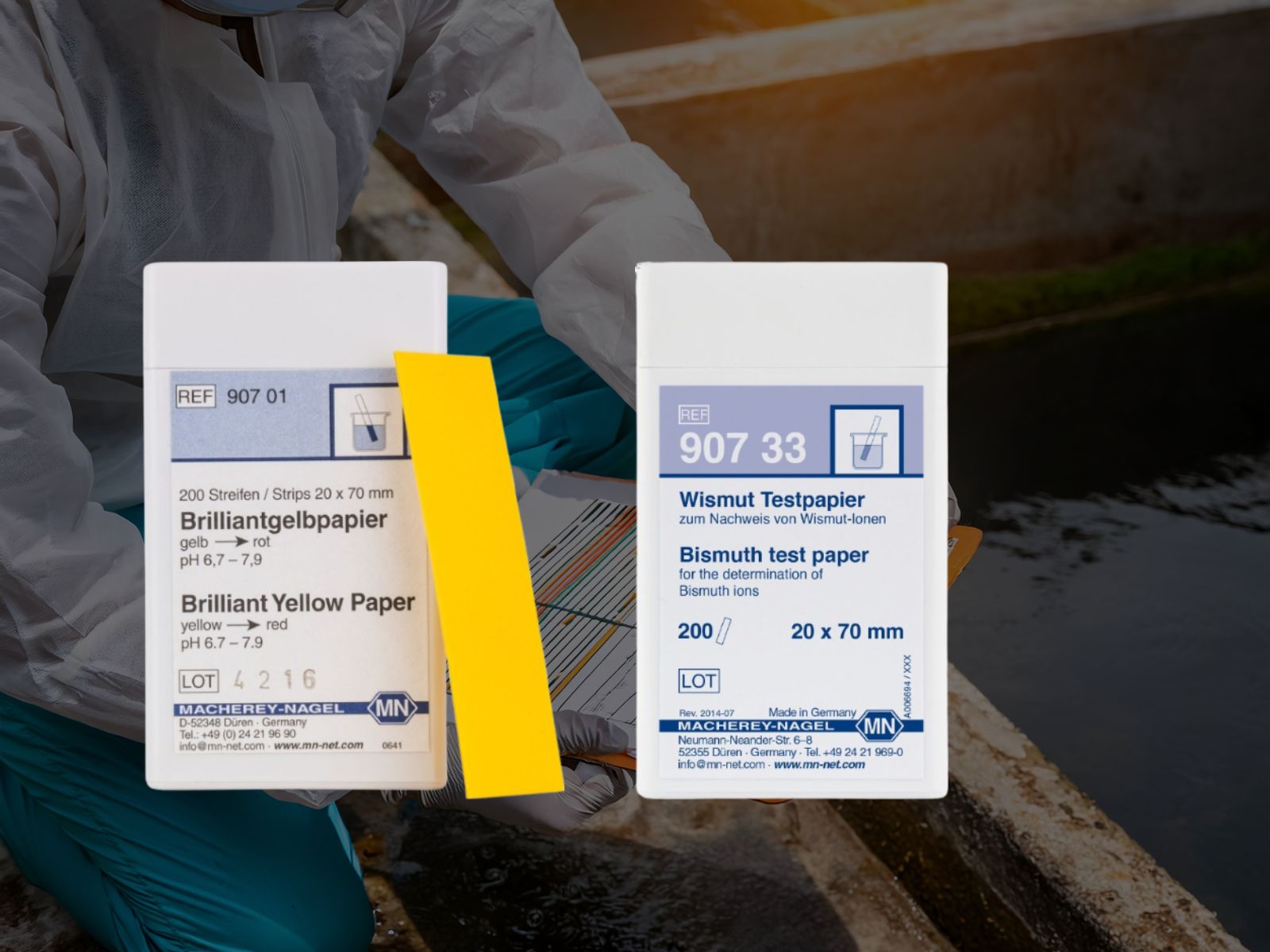
Indicator papers—such as Bismuth Test Paper and Brilliant Yellow pH Paper—serve this exact purpose. These simple yet effective tools are widely used across laboratories, manufacturing units, and educational settings for quick chemical detection and decision-making.
Why Rapid Test Papers Still Matter
Despite the rise of automated analytical systems, test papers continue to play a vital role due to their:
- Instant results (often within seconds)
- Low operational cost
- Ease of use without specialised training
- Portability for on-site testing
In many workflows, these papers act as the first line of analysis, helping operators decide whether further, more detailed testing is required.
Bismuth Test Paper: Quick Detection of Trace Metals
Understanding Bismuth in Industrial and Laboratory Contexts
Bismuth is a naturally occurring element found in the Earth’s crust and widely used in:
- Pharmaceutical formulations (e.g., gastrointestinal treatments)
- Cosmetic products (pigments and additives)
- Metallurgy (low-melting alloys and solders)
- Fire detection and safety devices
While generally considered less toxic than other heavy metals, bismuth still requires monitoring in quality control and environmental testing.
How Bismuth Test Paper Works
Bismuth Test Paper is designed for rapid qualitative detection of bismuth ions in a sample.
Detection Principle:
- The paper is chemically treated to react specifically with bismuth
- In the presence of bismuth, the pale yellow paper develops orange-red spots
- The intensity and appearance of the spots indicate the presence of the element
This colorimetric response allows users to quickly confirm the presence of bismuth without instrumentation quickly.
Key Advantages
- Immediate visual detection without complex procedures
- Selective response to bismuth ions
- Minimal sample preparation required
- Suitable for field and laboratory use
Typical Applications
- Raw material screening in pharmaceutical manufacturing
- Quality control in metal and alloy production
- Environmental testing for trace metal contamination
- Educational and demonstration purposes in chemistry labs
Brilliant Yellow pH Paper: Simple Acid-Base Determination
The Importance of pH Screening
pH is one of the most fundamental parameters in chemical analysis. It influences:
- Reaction rates
- Chemical stability
- Product quality
- Environmental compliance
In many cases, a quick distinction between acidic and alkaline conditions is sufficient to guide further action.
How Brilliant Yellow pH Paper Works
Brilliant Yellow pH Paper is an indicator paper without a colour scale, designed for simple yes/no determination of acidity or alkalinity.
Detection Principle:
- The paper is fully impregnated with a pH-sensitive indicator dye
- It changes colour based on the solution’s pH level
- Transition range: pH 6.7 to 7.9
Colour Change:
- Yellow → Indicates acidic or neutral conditions
- Red → Indicates alkaline conditions
This narrow transition range makes it particularly useful for detecting near-neutral pH changes.
Key Advantages
- Fast and clear visual indication
- No need for calibration or instrumentation
- Ideal for threshold-based testing
- Easy to use in both lab and field environments
Recommended Applications
Brilliant Yellow pH Paper is especially useful for:
- Demonstrating specific alkali concentrations required for reactions
- Monitoring neutralisation processes
- Educational experiments and lab training
- Quick checks in industrial workflows
Comparing the Two: Targeted Detection vs General Screening
| Feature |
Bismuth Test Paper |
Brilliant Yellow pH Paper |
| Purpose |
Detects bismuth ions |
Determines acid/base nature |
| Output |
Orange-red spots |
Yellow to red colour change |
| Measurement Type |
Qualitative (specific element) |
Qualitative (pH threshold) |
| Application Scope |
Metal detection |
General chemical analysis |
| Skill Requirement |
Minimal |
Minimal |
Together, these tools cover both specific chemical detection and general solution analysis, making them complementary in laboratory workflows.
Best Practices for Accurate Results
To ensure reliability when using test papers:
1. Proper Storage
Both Bismuth Test Paper and Brilliant Yellow pH Paper should be:
- Stored in a cool, dry environment
- Protected from sunlight and moisture
Exposure to environmental factors can degrade the chemical reagents and affect accuracy.
2. Avoid Contamination
- Use clean tools or droppers when applying samples
- Do not touch the reactive surface directly
3. Use Fresh Strips
- Always use unused strips for each test
- Discard any paper showing discoloration before use
Where Rapid Test Papers Fit in Modern Labs
While advanced analytical techniques like ICP-OES or spectrophotometry provide quantitative data, test papers serve as a cost-effective pre-screening tool.
Workflow Integration Example:
- Use test paper for quick screening
- Identify samples requiring detailed analysis
- Perform advanced testing only when necessary
This approach:
- Reduces overall testing costs
- Saves time in high-throughput environments
- Improves operational efficiency
Business Value: Speed Meets Simplicity
For laboratories and industrial facilities, adopting rapid test papers offers clear advantages:
- Reduced turnaround time for initial assessments
- Lower dependency on expensive equipment
- Improved workflow efficiency
- Enhanced decision-making speed
In sectors where time-sensitive decisions are critical—such as manufacturing, environmental monitoring, and education—these tools provide immediate value.
Final Thoughts
Bismuth Test Paper and Brilliant Yellow pH Paper demonstrate that effective chemical analysis does not always require complex instrumentation. By delivering fast, reliable, and easy-to-interpret results, they remain essential tools from Vendart in both modern laboratories and field applications.
Whether detecting trace metals or quickly identifying pH conditions, these indicator papers support smarter, faster decision-making—bridging the gap between rapid screening and detailed analytical testing.
For organisations seeking practical and efficient testing solutions, incorporating high-quality indicator papers from Vendart into daily workflows is a simple yet impactful step toward improved laboratory performance.
For Further Enquiry Contact: sales@vendart.com.au