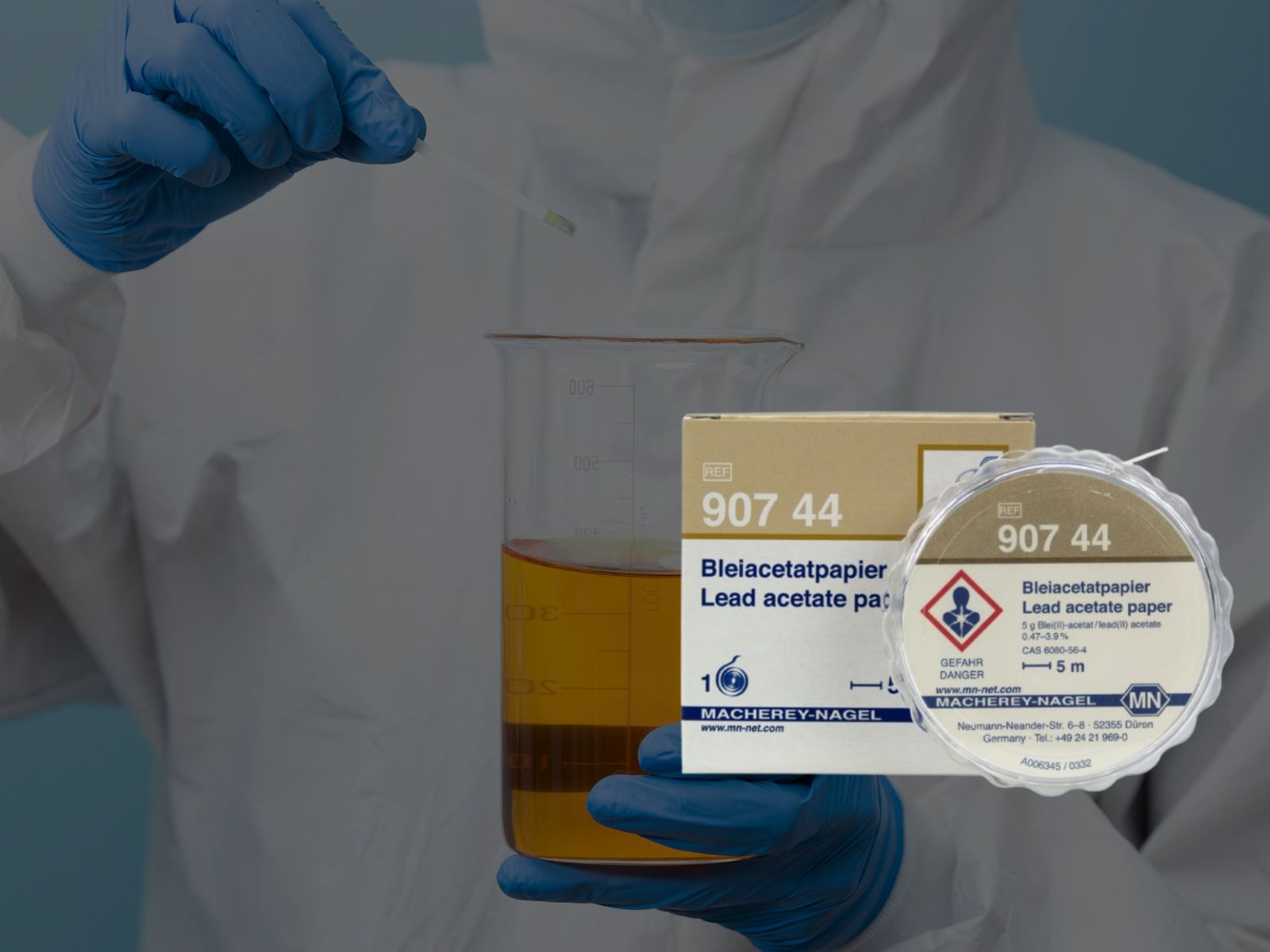
Hydrogen sulphide (H₂S) is one of the most hazardous gases encountered in industrial environments. Colourless but highly toxic, it is commonly produced during petroleum refining, wastewater treatment, mining, and various chemical manufacturing processes. Because exposure to even low concentrations can pose serious health risks, rapid detection is essential for maintaining workplace safety and protecting critical operations.
For quick qualitative screening, Lead Acetate Test Paper from Vendart offers a simple and effective solution for detecting hydrogen sulphide gas and sulphide ions without requiring specialised analytical equipment.
Why Hydrogen Sulphide Detection Is Important
Hydrogen sulphide is naturally generated through the breakdown of sulphur-containing organic matter and is frequently encountered in industries such as:
- Oil and gas processing
- Petroleum refining
- Wastewater treatment
- Mining operations
- Chemical manufacturing
- Pulp and paper production
The gas is recognised for its characteristic “rotten egg” odour at low concentrations. However, relying on smell is extremely dangerous because higher concentrations can quickly reduce a person’s ability to detect the gas.
Routine monitoring is therefore a critical part of industrial safety programs.
What Is Lead Acetate Test Paper?
Lead Acetate Test Paper is a chemically treated indicator paper designed for the rapid detection of hydrogen sulphide (H₂S).
The paper also reacts with solutions containing sulphide ions, making it useful for a variety of laboratory and industrial screening applications.
Its ease of use and rapid response make it suitable for routine inspections where a quick indication of sulphide presence is required.
How Does the Test Work?
When hydrogen sulphide or sulphide ions come into contact with the paper, a chemical reaction occurs that produces a visible colour change.
This immediate visual response enables operators to quickly identify the presence of sulphide contamination and determine whether further investigation or quantitative analysis is required.
Because the test is qualitative, it serves as an effective first-line screening tool rather than a replacement for detailed laboratory measurements.
Common Applications
Oil and Gas Industry
Hydrogen sulphide is commonly found during crude oil extraction and refining. Routine screening helps identify hazardous conditions and supports worker safety.
Petroleum Processing
Lead Acetate Test Paper can be used to monitor critical process points where H₂S generation may occur during refining operations.
Wastewater Treatment
Biological decomposition within wastewater systems often produces hydrogen sulphide. Rapid detection helps operators monitor treatment conditions and minimise safety risks.
Chemical Laboratories
Researchers and quality control teams use the paper to identify sulphide-containing samples before conducting more detailed analytical testing.
Industrial Maintenance
Maintenance personnel can use the paper during inspections to quickly assess whether hydrogen sulphide is present in equipment, pipelines, or process streams.
Benefits of Lead Acetate Test Paper
Using Lead Acetate Test Paper offers several practical advantages:
- Rapid qualitative detection
- Simple visual interpretation
- No instrumentation required
- Portable and easy to use
- Suitable for field and laboratory applications
- Supports routine safety inspections
These features make it an efficient solution for preliminary sulphide screening across a range of industries.
Important Safety Considerations
While the test paper is highly effective, it is important to note that lead acetate is classified as a hazardous substance due to its toxicity.
Users should:
- Handle the paper with appropriate care.
- Follow workplace chemical safety procedures.
- Wear suitable personal protective equipment (PPE) where required.
- Dispose of used test papers according to local hazardous waste regulations.
Proper handling helps minimise risks while maintaining safe working practices.
A Non-Toxic Alternative
For organisations seeking a safer option, Vendart also offers a technically equivalent sulphide test paper (Code 90761).
This alternative provides reliable sulphide detection while eliminating the hazards associated with lead acetate, making it an excellent choice for workplaces focused on reducing hazardous chemical exposure.
Conclusion
Rapid hydrogen sulphide detection plays an essential role in industrial safety, environmental monitoring, and process control. Lead Acetate Test Paper provides a simple, reliable, and cost-effective method for identifying hydrogen sulphide gas and sulphide ions without complex equipment.
For industries where routine screening is part of daily operations, the paper supports faster decision-making and improved workplace safety. For those looking to minimise hazardous materials, Vendart also offers a non-toxic sulphide test paper that delivers comparable performance while promoting safer handling practices.
Frequently Asked Questions
1. What does Lead Acetate Test Paper detect?
Lead Acetate Test Paper is designed to detect hydrogen sulphide (H₂S) and solutions containing sulphide ions.
2. Which industries commonly use Lead Acetate Test Paper?
It is commonly used in oil and gas, petroleum refining, wastewater treatment, chemical manufacturing, mining, research laboratories, and industrial maintenance.
3. Does Lead Acetate Test Paper require laboratory equipment?
No. The paper provides a rapid visual indication of hydrogen sulphide without requiring specialised analytical instruments.
4. Is Lead Acetate Test Paper quantitative?
No. It is a qualitative screening tool used to indicate the presence of hydrogen sulphide or sulphide ions. Quantitative measurements require laboratory instrumentation.
5. Is Lead Acetate Test Paper hazardous?
Yes. Because it contains lead acetate, it is classified as hazardous and should be handled, stored, and disposed of according to applicable safety regulations.
6. Is there a safer alternative?
Yes. Vendart offers a non-toxic sulphide test paper (Code 90761) that provides technically equivalent sulphide detection without the hazards associated with lead acetate.
For Further Enquiry Contact: sales@vendart.com.au